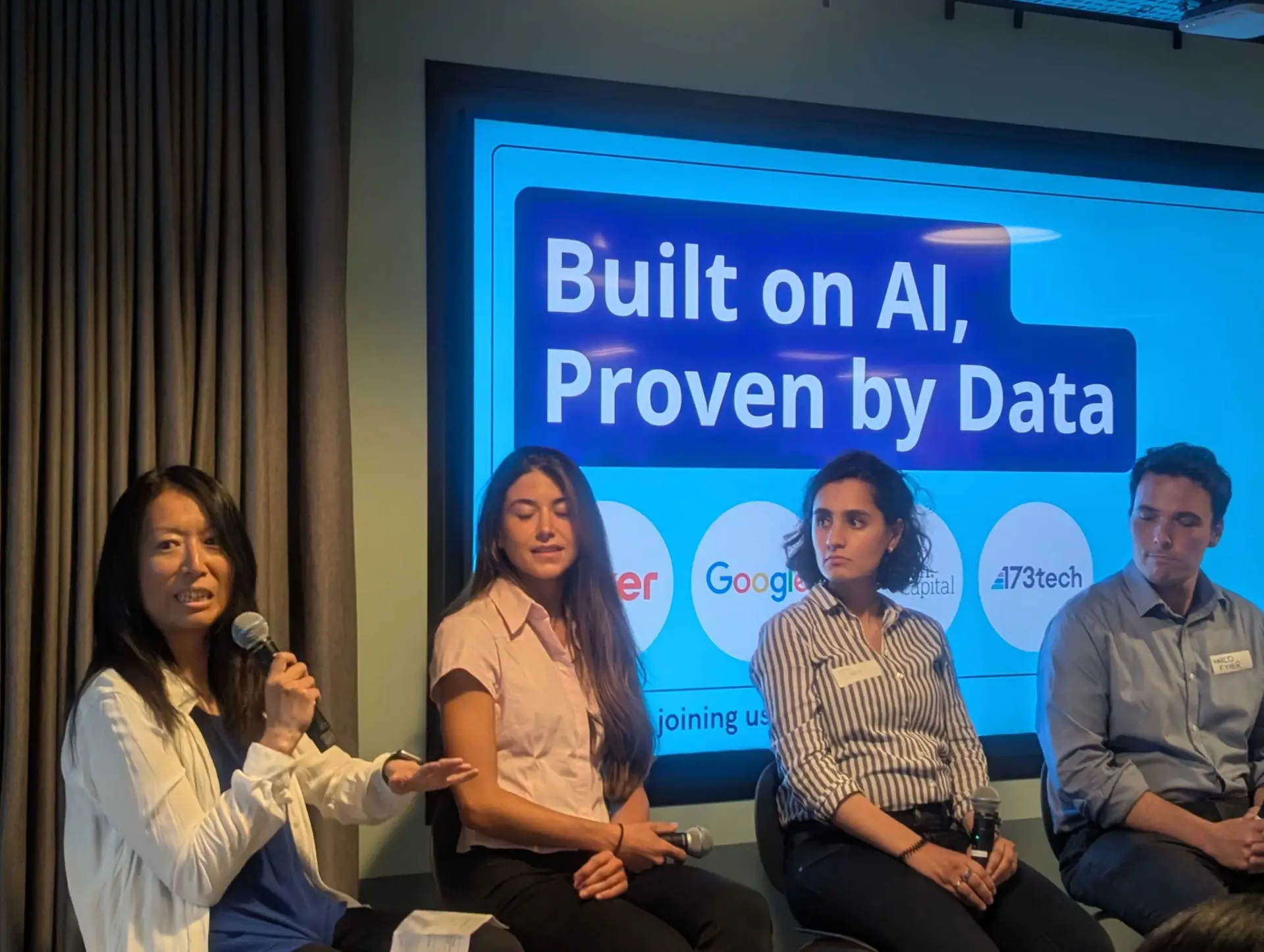
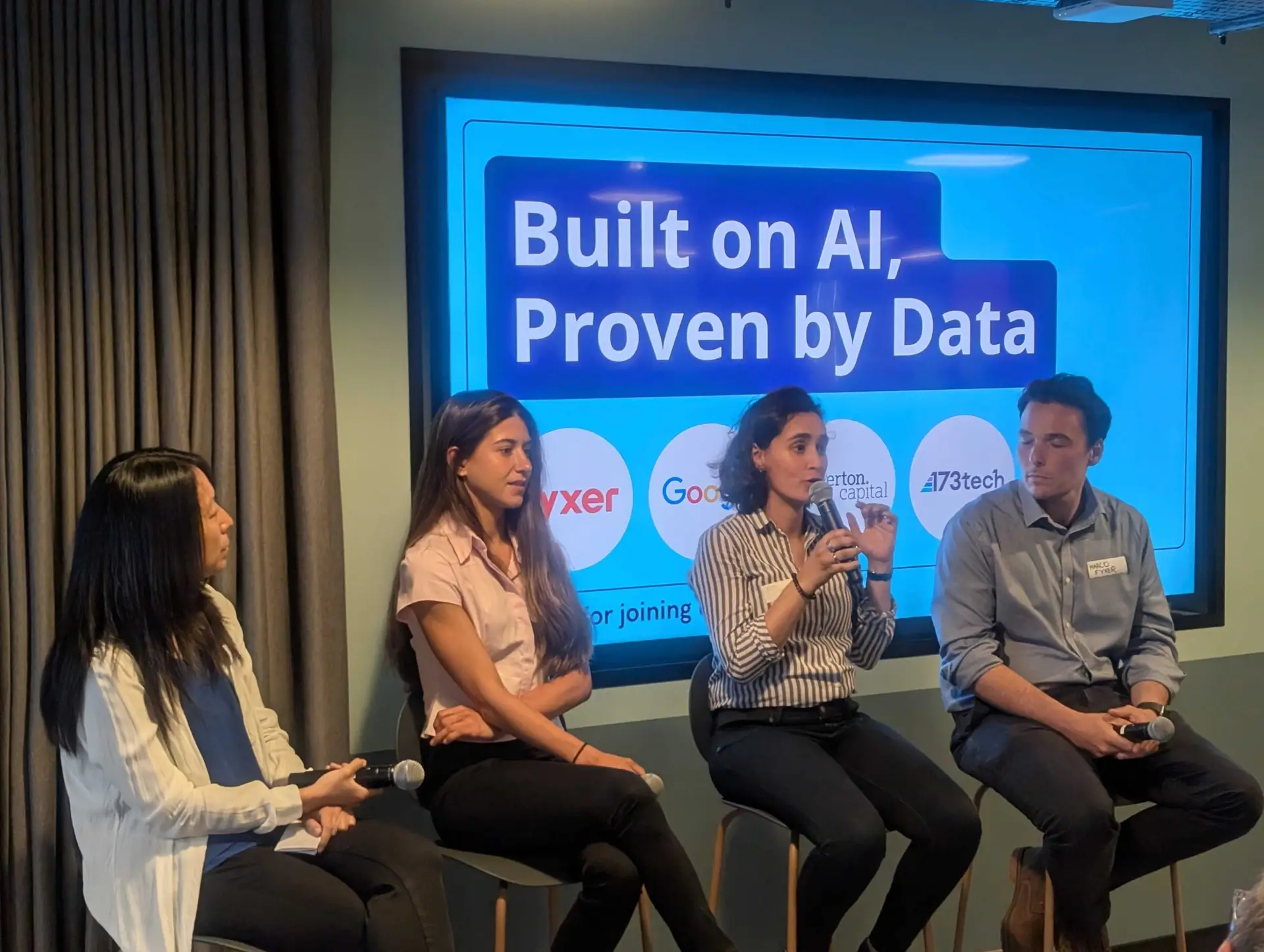
Keshvi Radia Head of Product & Data Balderton Capital
Candice Ren Founder 173tech
Has AI Made Product Building Easier?
The honest answer from the panel: yes and no. The barrier to building has dropped. The barrier to building something that actually works has not.
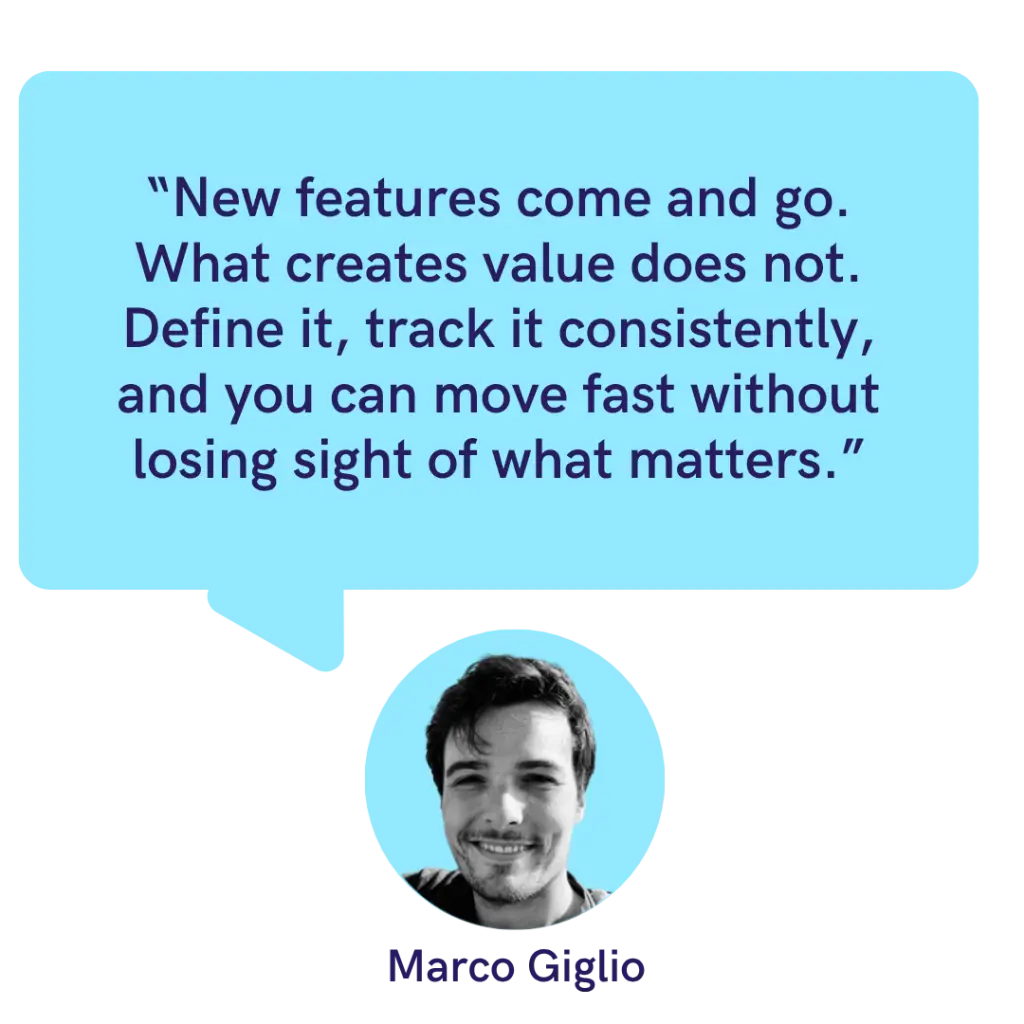
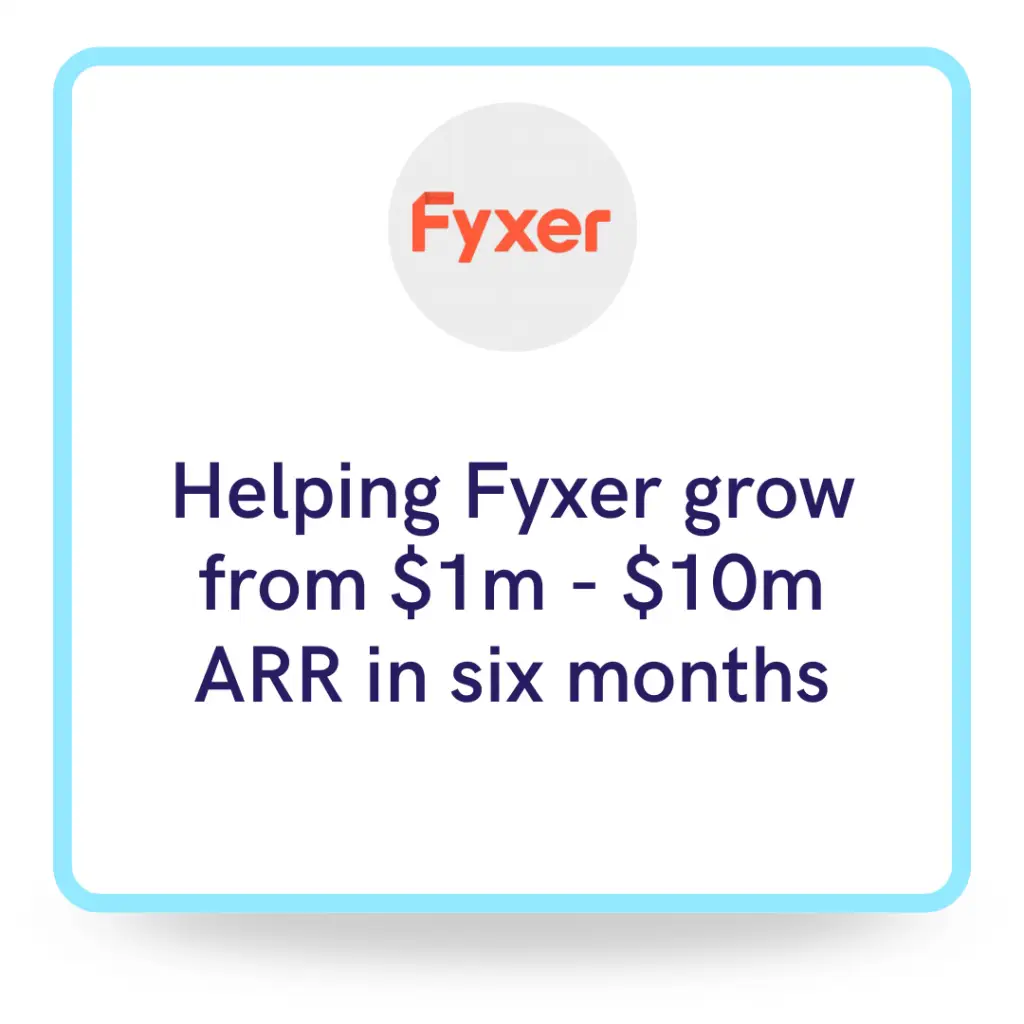
Marco opened with a reframe that set the tone for the evening. The danger today is not that you cannot ship fast. It is that you can ship so fast that you mistake activity for progress. The teams winning right now are not the ones moving quickest, they are the ones learning quickest. At Fyxer, that mindset took the product from $1m to $10m ARR in six months.
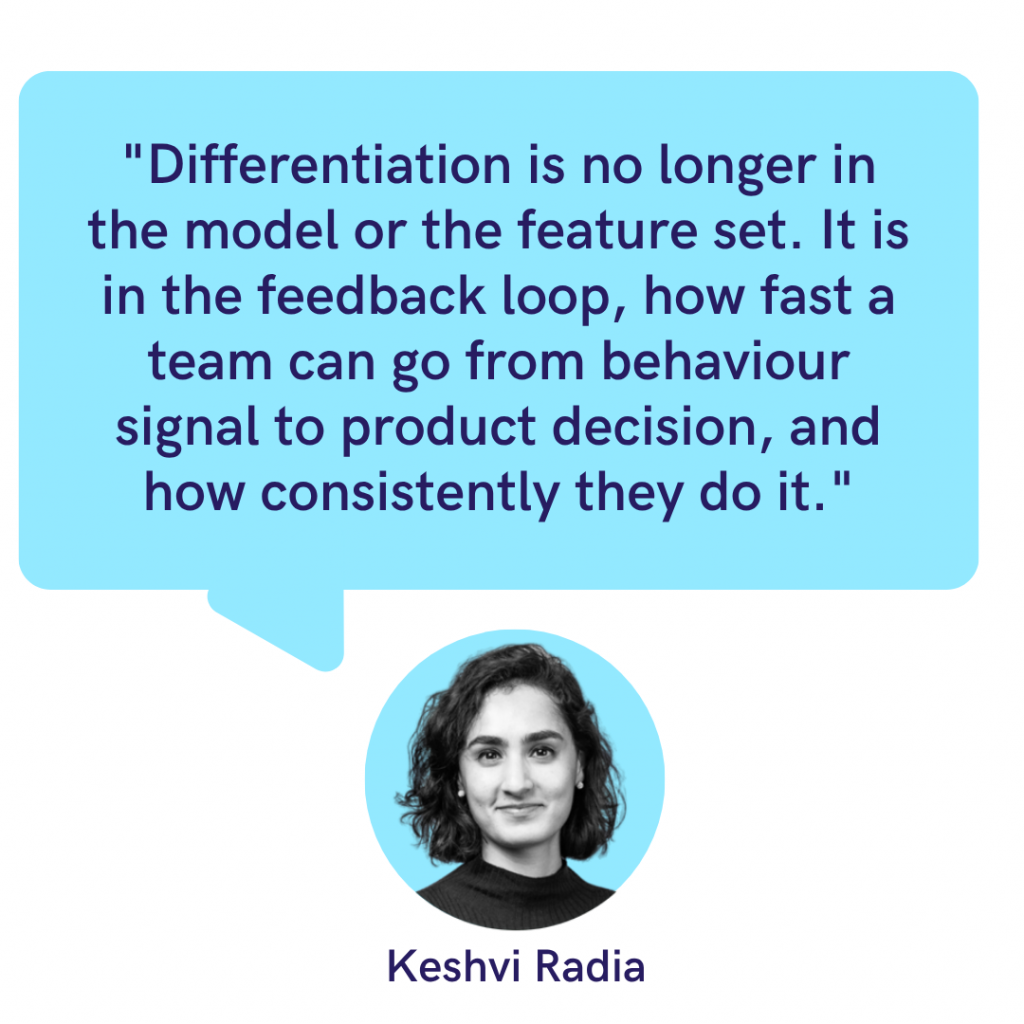
Keshvi brought a different lens. Building AI products for a small, high-stakes internal audience at Balderton means there is no volume to hide behind. Every signal matters. Her point was sharp: most teams are still asking “what should we build next” when the more important question is “what is the data already telling us that we keep ignoring.”
Anne closed the section with the observation that grounded everything. Technology moves fast but strategy should not chase it. The companies she sees succeeding are not the ones adopting the most tools. They are the ones who decided early what good looks like for their business and built everything around that decision.
Keeping Up With The Speed Of Product Changes
Fast-moving products create a specific data problem. By the time your analytics catch up, the product has already changed. The panel had a clear view on how to stay ahead of it.
Marco’s answer was direct. When everything is moving fast, the temptation is to measure everything. The teams that do that end up knowing a lot and understanding very little. Fyxer’s approach was to go back to first principles: what are the fundamentals of how value is created in this product, and are we measuring those consistently? Everything else is noise.
Anne reinforced this from the infrastructure side. The companies she sees struggle are the ones that track every new feature in isolation, ending up with a data layer that reflects the product’s history rather than its purpose. The fix is not more tooling. It is a cleaner decision about what you are actually trying to measure before the next release goes out.
Candice added a point that resonated with the room. Most teams are so focused on shipping that analytics becomes an afterthought. The result is a growing gap between what the product is doing and what the business understands about it.
Adoption: Getting People to Use It, Consistently
The biggest adoption mistake most teams make is assuming unhappy users will tell them what is wrong. They will not.
Keshvi named it clearly. The silent dropout is the most dangerous user you have. They do not complain. They do not cancel dramatically. They just quietly stop showing up.
Which means the feedback loop you are relying on to improve the product never fires. The signal has to be built into the product before the frustration sets in, not after.
This is where data becomes the early warning system. Working with voize, 173tech identified three behavioural signals in the onboarding journey that predict a 3x improvement in adoption. Not through surveys or user interviews. Through the product data showing precisely where users were struggling before they gave up.
Marco reinforced this from Fyxer’s experience. The insight is not just where users drop off, it is that different users drop off for different reasons. Fyxer used behavioural data to move away from a one-size-fits-all onboarding experience and towards targeted interventions at the right moment for the right user.
Anne closed with the commercial argument that reframed how the room was thinking about it. Google invests significantly in helping users realise the value of their products in the first few weeks, and the data backs it up. The return on that early investment far outweighs the cost. Getting someone to their first moment of value is the highest leverage thing you can do for long term growth.
Churn: How Early Can You Spot It?
Churn rarely announces itself. By the time it shows up in your numbers, the decision has already been made. The teams that get ahead of it have built the systems to catch the early signals before disengagement becomes departure.
Marco opened with an important reframe. Churn is not a single event, it has a pattern. That pattern almost always starts quietly: fewer sessions, shorter visits, features going untouched. The teams that catch it are the ones watching individual behaviour, not aggregate dashboards. Aggregate numbers smooth over exactly the signal you need to see.
Keshvi reinforced this. The intervention has to match where someone actually is in their journey, not where you assume they are. A user in their second week needs something different from a user in their sixth month. Treating them the same way is one of the most common and costly mistakes teams make.
Working with ablefy, 173tech built seven churn indicators that fire automatically into Salesforce, triggering personalised retention campaigns based on each user’s individual behaviour. No manual triage. No waiting for a quarterly review. The right intervention reaches the right user at the right moment.
Anne closed with the infrastructure perspective. The data that predicts churn is rarely sitting in one place. It lives across your product, your CRM, your support logs. The companies that get ahead of churn are the ones that have connected those sources early, before they need them.
From Signal To Action: Closing The Gap
Having the right data is only half the battle. The other half is making sure it reaches the right person, in the right place, at the right moment.
Marco was direct. Insights, predictions and segmentation should not sit in the data warehouse. They should flow into every system each team already uses to act. At Fyxer, LTV predictions feeding directly into marketing to optimise spend is just one example of many.
Keshvi brought the human dimension. The gap between signal and action is as much a people problem as a data problem. The best signal in the world does nothing if the person who needs to act on it does not see it, trust it, or know what to do with it. Change management is not a nice to have. It is part of the data strategy.
Anne made the case for conversational data. Most people do not want to open a dashboard. They want answers to their questions. Gemini Enterprise puts a conversational layer on top of your data warehouse so anyone in the business can ask in plain language and get a grounded answer instantly.
One of 173tech’s clients, Blink, is already doing this through the semantic layer, making natural language queries available across the entire data stack.
The most candid moments came from the audience. Owen from the Pentagon raised the risk of AI hallucinating and giving inaccurate answers. Another attendee pointed to the rising cost of AI querying at scale. The panel landed on a shared view: conversational AI does not replace your existing data infrastructure, it makes it more valuable. The smart model is AI querying against curated, trusted dashboards and data models. You get the speed and accessibility of conversational AI, grounded in data you already trust.
Conclusion
The tools have changed. The question has not. What are you actually trying to measure, and what will you do when the data answers?
Most companies are sitting on more data than they realise. The gap between that data and the decisions it should be driving is rarely a technology problem. It is a people problem, a skills problem, a priorities problem. The tools have never been better. The bottleneck is almost always human.
Data is the earliest signal you have of what is working, what is not, and where the next opportunity is hiding. The companies that act on it fastest do not just grow quicker. They see what is coming before everyone else does.
Get In Touch
Our friendly team are always on hand to answer questions, troubleshoot problems and point you in the right direction.