
In consumer businesses, pricing is one of the fastest ways to influence growth, yet it is often the least tested. Whilst teams optimise ads, landing pages, and product features constantly, pricing is left static or copied from competitors.
Signal
B2C brands fail to learn from pricing because experiments are poorly designed or not run at all.
Stakeholders
Founders, Head of Growth, Ecommerce Lead, Marketing Manager, Product Manager & Pricing Managers
Strategy
Run simple, well-structured pricing experiments using real customer behaviour and clear decision criteria.
Why Most Pricing Experiments Fail
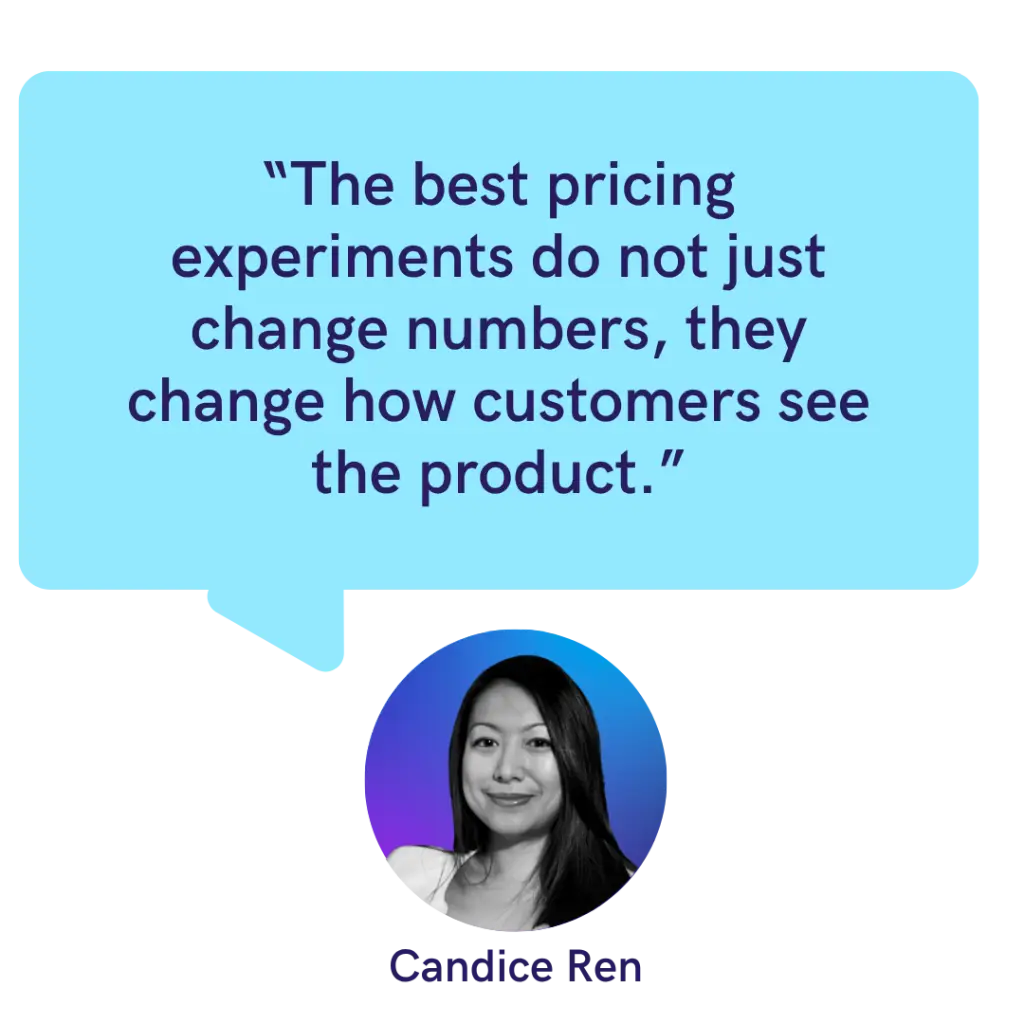
Most pricing experiments fail before they begin, not because pricing is complex, but because the basics are ignored. The most common issue is testing too many things at once. Changing price, bundles, and messaging together makes it impossible to know what actually worked. You may see a result, but you cannot trust it.
Another failure is not defining success upfront. If revenue increases but conversion drops, is that a win? Without clarity, teams interpret results to fit their expectations.
Small sample sizes are also a major problem in B2C. If you do not have enough traffic, you will not detect meaningful differences. Many tests are stopped too early or produce noise instead of insight.
Segmentation is often ignored. New visitors, returning customers, and loyal buyers respond very differently to price. Averaging them together hides real patterns.
Finally, teams overlook qualitative feedback. Customer complaints, confusion, or hesitation often explain results better than numbers alone.
The Anatomy Of A Proper Pricing Test
Good pricing experiments are simple, focused, and disciplined.
Start with a clear hypothesis. For example: increasing price from £20 to £25 will increase revenue per visitor by 10% while reducing conversion by no more than 5%. This forces you to think about trade-offs before you begin.
Next, isolate one variable. If you are testing price, change only the price. Keep everything else consistent so you can trust the result.
Make sure you have enough volume. If your traffic is low, you may need to run the test longer or accept that you can only detect larger changes.
Run the test for long enough to capture real behaviour. In B2C, this often means at least a few weeks to account for different buying patterns, repeat visits, and payday cycles.
Finally, define success in advance. Choose a primary metric such as revenue per visitor, and decide how you will interpret trade-offs between metrics.

Experiment Types
Different types of pricing experiments reveal different insights.
A/B testing with new customers is the simplest and most effective. Show one group your current price and another a new price, then compare behaviour. This works well when you have steady traffic.
Segment-based tests are also useful. You might test higher prices for certain traffic sources or regions. However, this must be handled carefully to avoid fairness issues.
Bundling tests can be powerful. Changing how products are packaged often has more impact than changing the price itself. Simpler choices can increase conversion even at higher prices.
Discount tests help you understand sensitivity, but they should be used carefully. Overusing discounts can train customers to wait rather than buy.
Value metric tests, such as charging per item, per use, or per user, can reshape behaviour entirely, but they are more complex to implement.
Expert help is only a call away. We are always happy to give advice, offer an impartial opinion and put you on the right track. Book a call with a member of our friendly team today.
Measuring Impact Beyond Revenue
Revenue is important, but it is only part of the story in B2C.
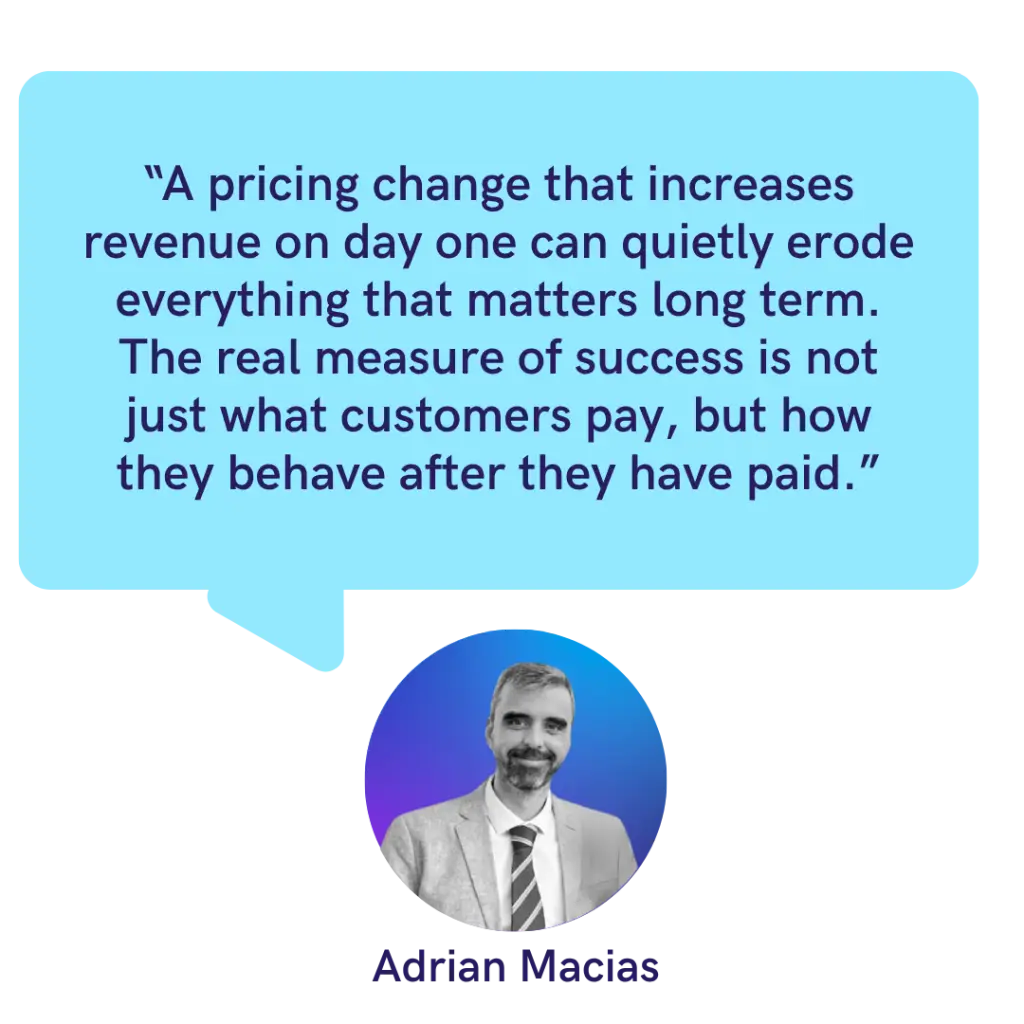
Customer quality matters. A higher price may reduce conversion but attract more loyal or higher-spending customers. Tracking repeat purchase rate and retention helps reveal this.
Acquisition efficiency is another factor. If higher prices reduce low-quality purchases, your marketing spend may become more effective overall.
Conversion funnel behaviour also changes. Where do customers drop off? Are they hesitating earlier or later? This can highlight messaging or trust issues.
Support and operational impact should not be ignored. Different price points attract customers with different expectations and behaviours.
Finally, consider brand perception. Pricing influences how customers position you in their minds. Moving up or down changes who you compete with and how you are judged.
When To Stop A Pricing Experiment
Knowing when to stop is as important as knowing how to start. If you reach your target sample size and see a clear result, you can act. But always check secondary metrics to avoid hidden downsides.
If the test causes obvious harm, such as a sharp drop in conversion or a spike in complaints, stop immediately.
Set these limits before you begin.
External changes can also affect results. Seasonal spikes, promotions, or market shifts can distort outcomes. In these cases, it may be better to restart or extend the test.
Sometimes you do not need perfect certainty. If the signal is clear enough to make a decision, it is often better to act than to wait indefinitely.
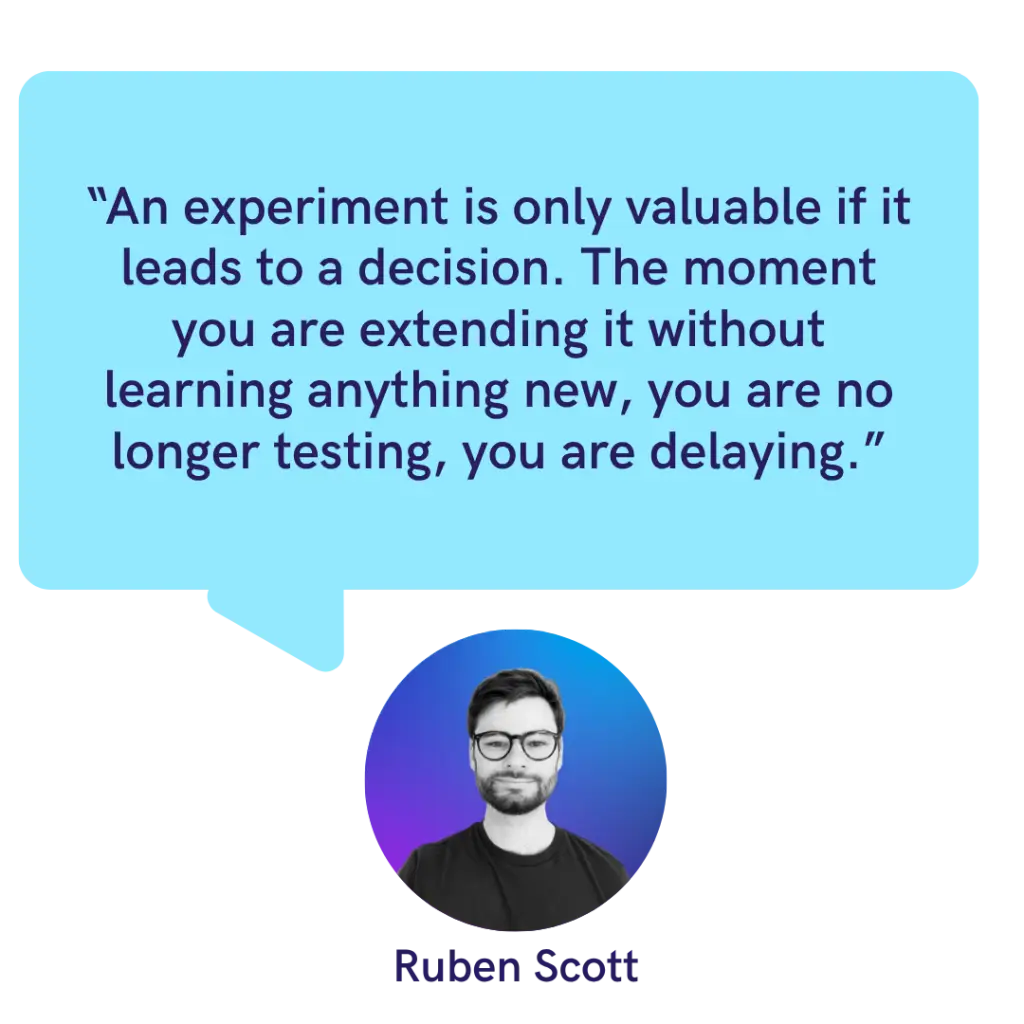
Avoid the trap of extending tests endlessly. If your test was well designed, extra time rarely changes the outcome meaningfully.





























Conclusion
Pricing experiments are one of the most effective ways to understand your customers, yet they are often underused or poorly executed.
In B2C, success comes from keeping things simple. Test one change at a time, use real behaviour as your guide, and define success before you begin.
The goal is not to find a perfect price. It is to build a system that learns continuously, improving how you capture value over time.
Businesses that treat pricing as an ongoing experiment gain an advantage that compounds. They do not rely on guesswork or copying competitors. They learn directly from their customers.
Get In Touch
Our friendly team are always on hand to answer questions, troubleshoot problems and point you in the right direction.
