
Klaviyo is one of the most widely used tools for email and SMS marketing. Its native reporting is great for campaign managers, but it stops short when you need deeper insights into attribution, profitability, and customer value. Here are seven critical metrics you will not get from Klaviyo alone.
Signal
If Klaviyo is telling you every customer is equally valuable and every campaign is profitable.
Stakeholders
Ecommerce founders, CRM managers, heads of retention, CFOs, and performance marketers.
Strategy
Move your customer and campaign data into a warehouse, model true LTV by cohort and channel.
True Campaign Attribution
What Klaviyo shows you:
- Revenue attributed to email and SMS campaigns.
- No control over attribution windows.
- Inflated figures for subscription businesses (re-bills included).
- No clean access in raw event exports.
What data modelling unlocks:
- First-click vs. last-click revenue attribution.
- Revenue split between new and returning customers.
- Net revenue stripped of re-bill inflation.
- Consistent attribution across all channels (Meta, Google Ads, SEO, etc.).
Why it matters: Klaviyo often takes too much credit. A campaign may look like it drove £100k in revenue, but most of that could be subscription rebills. With proper attribution, you see what Klaviyo actually contributed, and how it compares to other channels, giving you a fair view of ROI.
Reliable Engagement Metrics
What Klaviyo shows you:
- Totals for received, opened, clicked, unsubscribed, bounced, spam.
- Open rates heavily inflated by Apple’s Mail Privacy Protection (MPP).
- Limited distinction between unique and total counts.
What data modelling unlocks:
- Deduplicated unique vs. total metrics.
- Filtering of MPP opens for accurate open rates.
- Daily fact tables for consistent trend reporting.
Why it matters: Engagement stats drive deliverability and campaign optimisation. But with inflated open rates and duplicate counts, you risk making bad decisions. Clean warehouse modelling ensures engagement metrics you can trust, a baseline for all other analysis. It can also tie together Klaviyo activity with the wider customer journey. Instead of seeing Klaviyo data in a silo you can also understand website behaviour, social media context and more. One common use case is ensuring that someone is NOT sent marketing emails if they ahve recently contacted support for example.
Expert help is only a call away. We are always happy to give advice, offer an impartial opinion and put you on the right track. Book a call with a member of our friendly team today.
Customer Lifetime Value (LTV)
What Klaviyo shows you:
- “LTV” and “churn risk” scores in the UI.
- In the Klaviyo accounts that we have seen, figures have been identical and in no way reliable. In one account literally every person had the same churn risk and the same value!
- No way to connect CAC to true LTV.
What data modelling unlocks:
- Actual transaction-level LTV over time.
- Cohort-based retention and repeat purchase analysis.
- Profit-adjusted LTV curves by campaign, segment, or channel.
Why it matters: Some customers buy once and never return, others buy repeatedly or subscribe. Klaviyo does not differentiate, but your business must. With warehouse modelling, you can target campaigns that drive high-value cohorts, and avoid overspending on one-time buyers.

SMS + Email Combined Reporting
What Klaviyo shows you:
- SMS performance tracked separately from email.
- No unified reporting.
What a data warehouse unlocks:
- A single view across email and SMS.
- Cross-channel attribution and engagement trends.
- Insights into how SMS and email complement or cannibalise each other.
Why it matters: Customers do not care about channels, they just receive messages. A warehouse view lets you see how SMS boosts open rates after an email, where unsubscribes spike, and which channel mix drives the best ROI.














































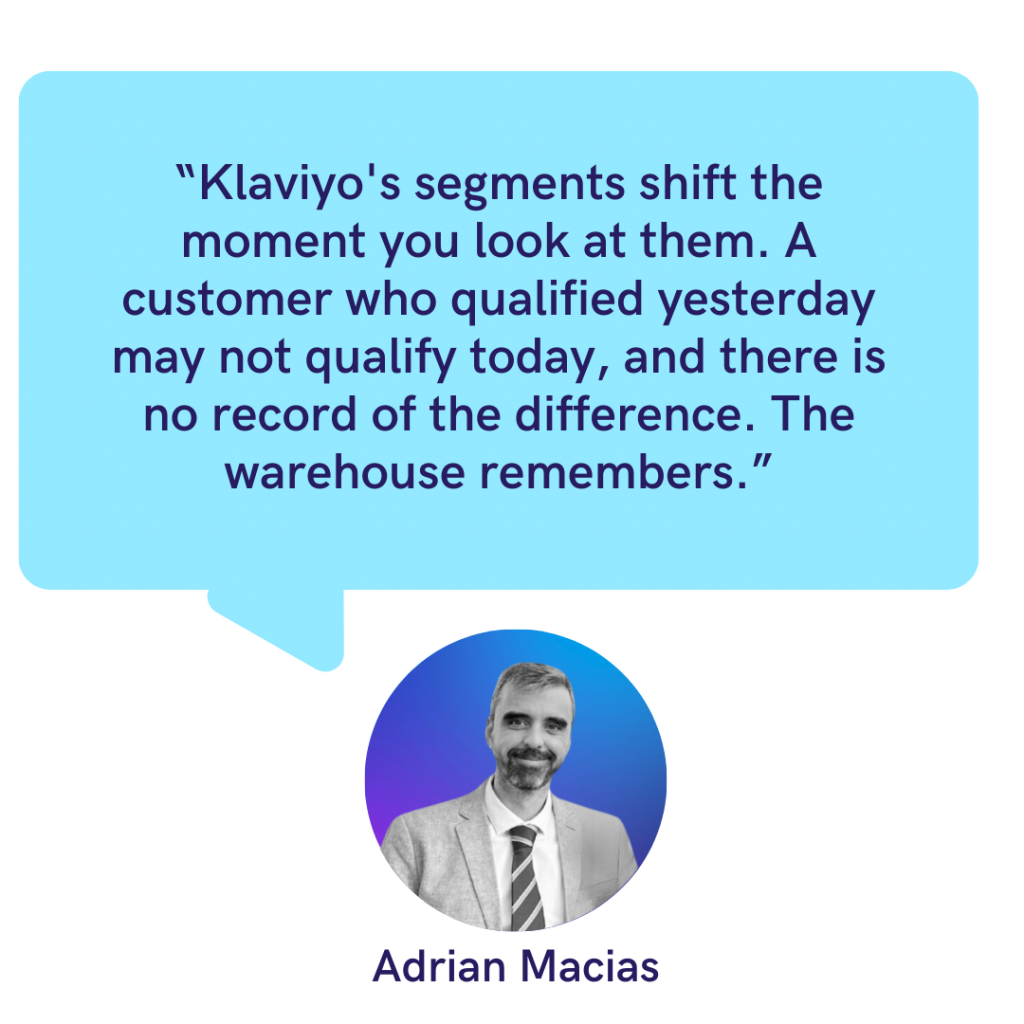
Segment Performance
What Klaviyo shows you:
- Lists (static) and segments (dynamic).
- Campaign-level totals, not stable segment reporting.
What data modelling unlocks:
- Snapshotting segments at send time for accurate historical reporting.
- Bridge tables to map campaigns to segments without duplication.
- Segment-level performance for engagement windows, deliverability, and win-back messaging.
Why it matters: Segments are the backbone of deliverability and targeting, but in Klaviyo they are fluid and overlapping. Warehouse modelling makes them reliable for analysis, helping you diagnose deliverability issues, optimise engagement strategies, and improve retention.

Net Revenue
What Klaviyo shows you:
- Campaign revenue totals, often including subscription rebills.
- No separation between first-time purchases and ongoing subscriptions.
What data modelling unlocks:
- Clean separation of one-time orders vs. rebills.
- Accurate net revenue from each campaign.
- Comparability with other paid and organic channels.
- Obviously you should choose
Why it matters: For subscription businesses, Klaviyo’s reported revenue is misleading. You might think a campaign is printing money when in reality it is just tagging along with rebills. Warehouse reporting lets you see true incremental revenue and avoid scaling campaigns on false signals.
We analysed 5 years of salary data across: 3 Job Roles, 11 job platforms, 23 cities in 6 countries and then broke it all down by: experience, job demand, industry mix & wage growth.
CAC:LTV Alignment
What Klaviyo shows you:
- Conversion rates and campaign revenue.
- No connection to acquisition costs or customer value.
- From what we have seen these numbers are completely untrustworthy.
What data modelling unlocks:
- CAC by campaign, channel, and segment.
- LTV curves aligned with acquisition source.
- Profitability analysis linking marketing spend to long-term value.
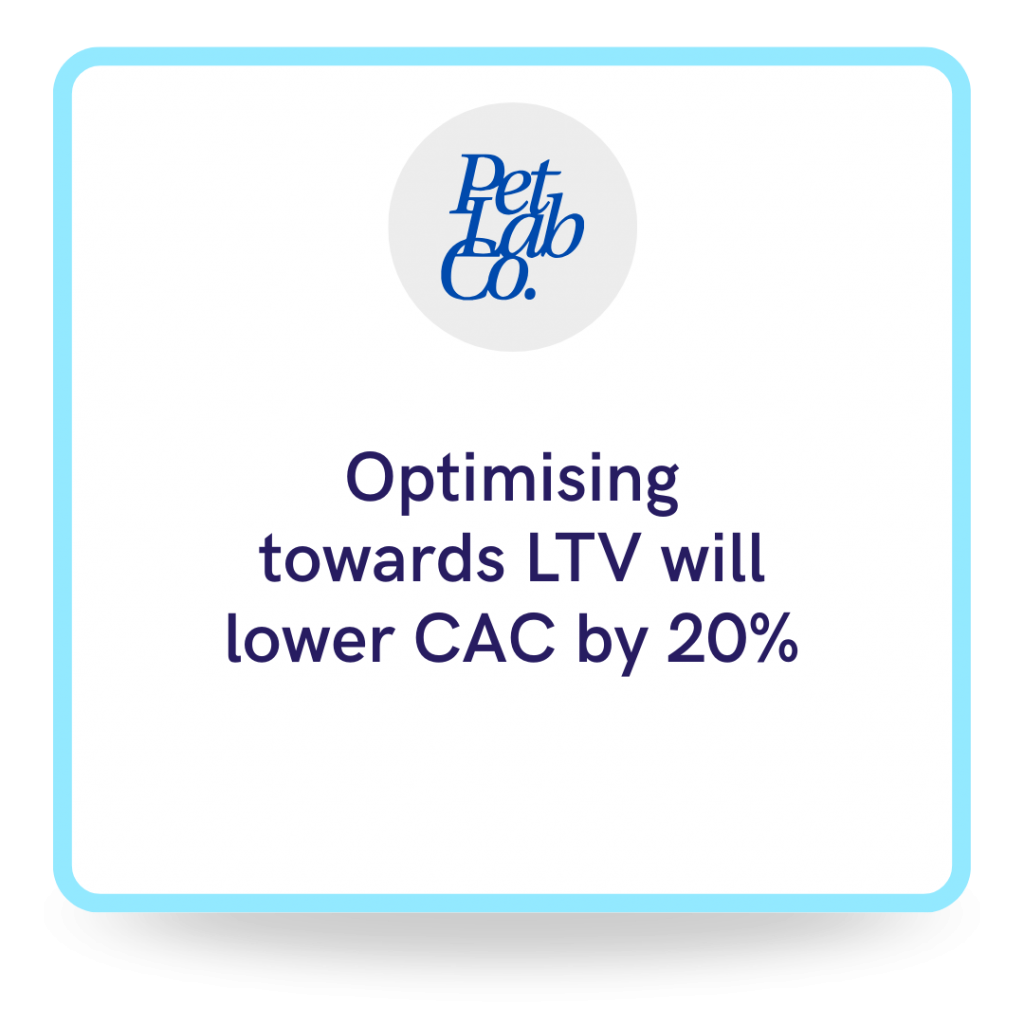
Why it matters: Klaviyo reports on email/SMS in isolation. But without connecting CAC and LTV, you cannot make investment decisions. A warehouse model closes the loop, letting you shift spend toward campaigns that not only convert, but also drive profitable, long-term customers.
Conclusion
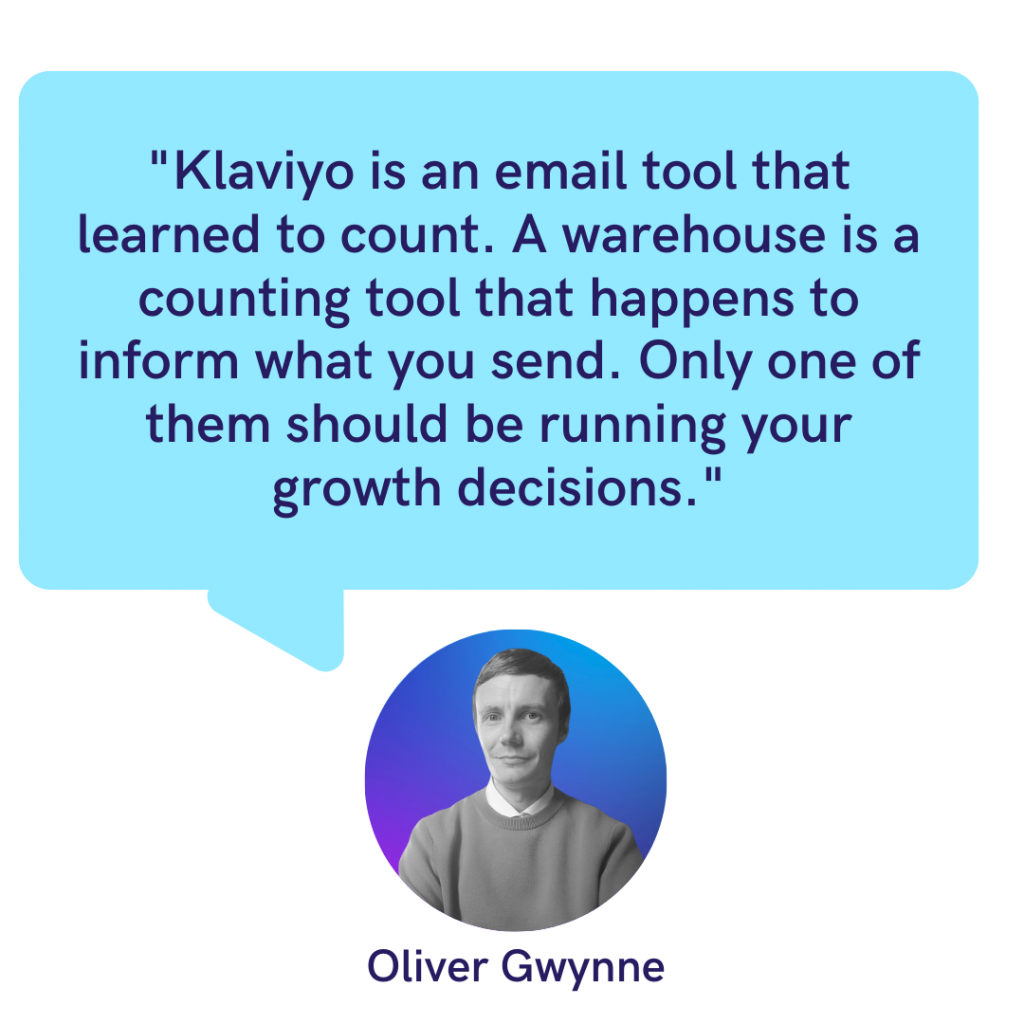
Klaviyo is excellent for running campaigns, but its native reporting is not enough for true business intelligence. By modelling the data in a warehouse, you unlock:
- Accurate engagement metrics.
- Proper attribution.
- Unified cross-channel reporting.
- Reliable LTV and profitability insights.
That is how you stop optimising campaigns in a silo, and start scaling email and SMS as a profitable growth engine. If you want a holistic view of customer behaviour then you need to centralise data.
Get In Touch
Our friendly team are always on hand to answer questions, troubleshoot problems and point you in the right direction.
